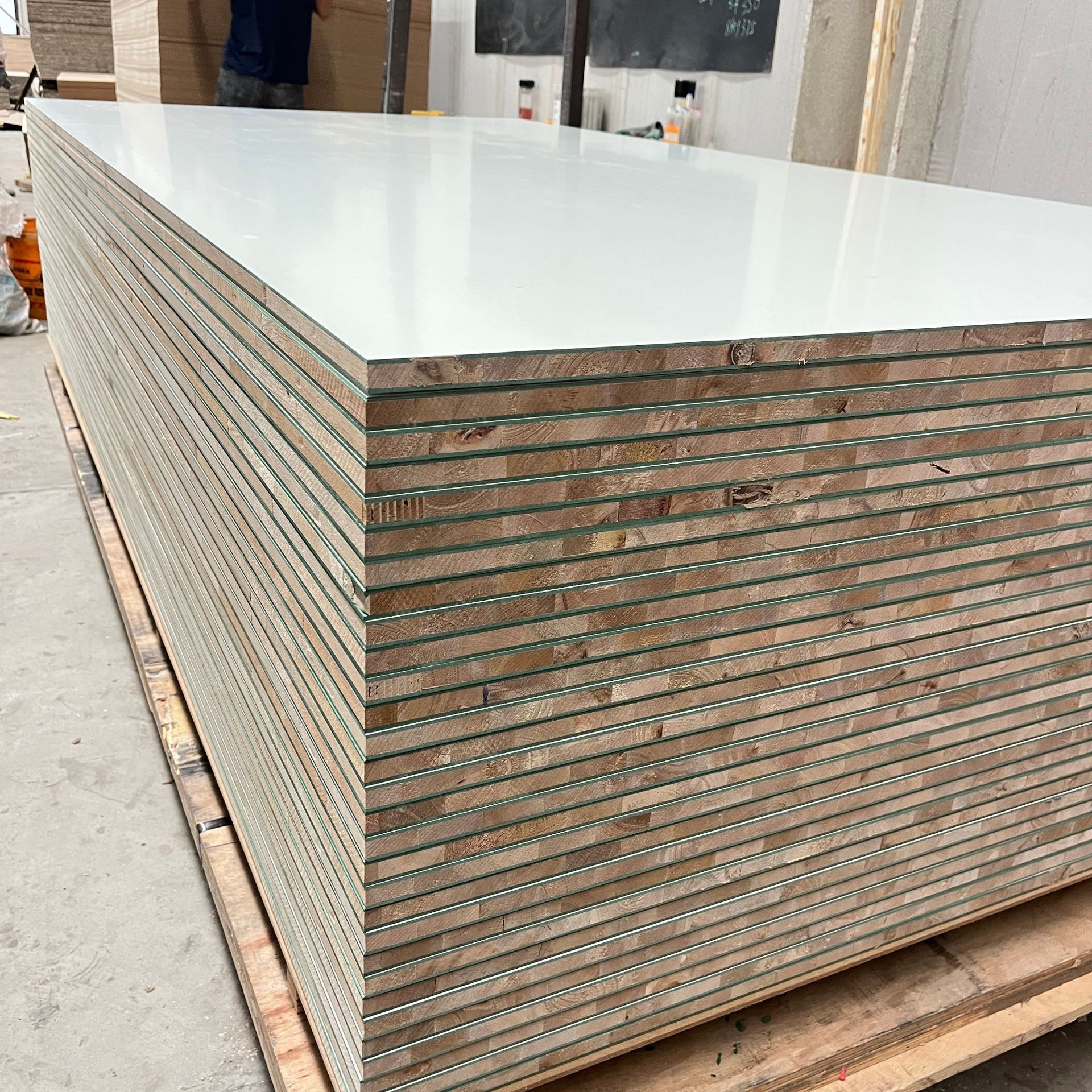
Melamine-Faced Blockboard, full name Melamine-Faced Blockboard, also known as melamine-faced solid core board, is a paint-free decorative board made of blockboard (composed of spliced solid wood strips) as the base material. The surface is covered with melamine-impregnated decorative paper and compounded by secondary high-temperature and high-pressure hot pressing. It combines the solid wood texture and high strength of blockboard with the weather resistance, beauty and paint-free characteristics of melamine finish. It is easy to process, environmentally friendly and durable, making it a preferred board for furniture manufacturing, interior decoration, commercial display and other fields. It is suitable for cross-border export, meets international building materials environmental protection and quality standards, and is also a common material for on-site woodworking processing and factory mass production.
- Product Structure
Base Material: The core is blockboard, which is made of solid wood strips such as poplar, Chinese fir, pine, birch, etc., through screening, drying (moisture content controlled at 6%-14%), splicing, sanding and hot-press gluing. The core strips are neatly arranged and tightly spliced, without obvious gaps or cavities, with clear layers. It has both the nail-holding power and stability of solid wood, and the glue consumption is much lower than that of particleboard and MDF, with more advantages in environmental protection. Some products adopt full-core splicing technology to further improve structural strength and environmental performance.
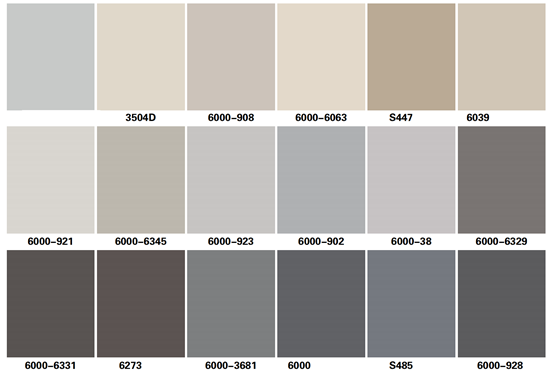
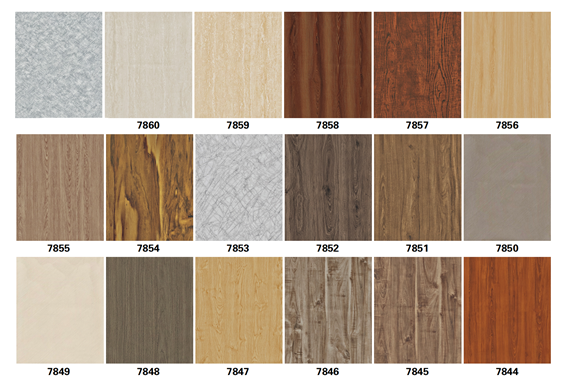
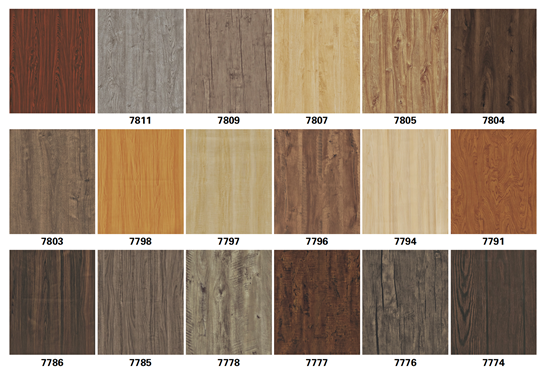
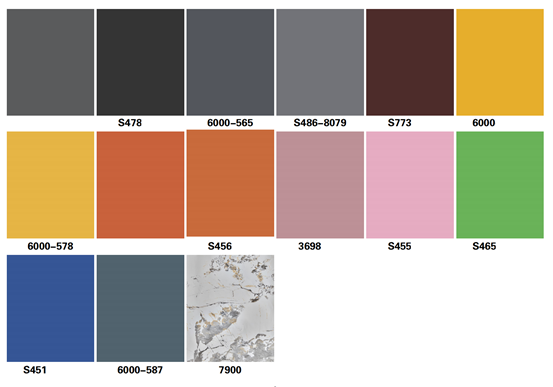
Decorative Layer: Adopts imported or high-precision domestic melamine-impregnated decorative paper, made by professional printing technology. It can simulate various patterns such as natural wood grain, stone grain, solid color and cloth grain, with full color, clear texture, uniform and long-lasting color, and not easy to fade. It is closely attached to the base material under high temperature and high pressure, with strong adhesion, not easy to fall off or peel off. It can provide various surface effects such as matte, bright, skin-friendly and wood grain embossment, adapting to the needs of different decorative styles such as modern simplicity, Nordic style and light luxury.
Protective Layer: The surface of the finish is equipped with a melamine resin curing layer, which does not require additional painting or waxing. It naturally has good wear resistance, scratch resistance, acid and alkali resistance, and moisture resistance, which can effectively resist slight wear and stain erosion in daily use. At the same time, it can further reduce the formaldehyde emission of the base material and improve the overall environmental protection of the board. The surface of some products is treated with anti-carbonization technology, with high surface finish and no fluffing or carbonization.
- Specification Parameters
Standard Size: The regular size is 2440mm×1220mm. Special sizes such as 1830mm×915mm and 1250×2500mm can be customized according to customer needs, which is suitable for construction and export packaging needs in different scenarios. Due to the limitation of core material splicing technology, the finished size has certain limitations compared with particleboard and MDF.
Thickness: Regular thickness includes 12mm, 15mm, 17mm, 18mm, 25mm. Special thickness within the range of 8mm-30mm can be customized, and the thickness tolerance is controlled at ±0.2mm/m, which meets the needs of different load-bearing, decoration and processing. Among them, 16mm, 17mm and 18mm are commonly used thicknesses for furniture manufacturing.
Density: The regular density is 550-700kg/m³, with uniform texture. The surface density is slightly higher than the middle layer, balancing flatness and load-bearing performance. The density varies slightly with the core material tree species. Hardwood cores such as birch and beech have higher density, better nail-holding power and load-bearing performance.
Environmental Protection Level: The regular level is E1 (formaldehyde emission ≤0.124mg/m³), and E0 level (formaldehyde emission ≤0.050mg/m³) can be customized. Some products can meet international environmental protection standards such as CARB P2 and TSCA Title VI, and have passed certifications such as FSC and CE. They strictly comply with the GB18580-2017 national standard for formaldehyde emission limits of indoor decoration materials, suitable for long-term indoor use and cross-border export requirements.
Adhesive Type: The mainstream adhesives for core splicing are plant-based environmental glue, soybean glue or water-based polyurethane glue. Melamine glue is used for surface lamination. Waterproof glue (WBP) can be selected according to needs to improve the moisture resistance of the board, making it suitable for use in humid environments such as kitchens and bathrooms. Some high-quality products use formaldehyde-free glue to achieve a higher environmental protection level.
- Core Features
Solid Wood Texture and Strong Nail-Holding Power: The base material is spliced with solid wood strips, retaining the natural texture and fiber integrity of solid wood. It has excellent nail-holding power, and the screws have strong “bite force” after being screwed in, which is not easy to loosen after repeated disassembly and assembly, far exceeding particleboard and MDF. It is suitable for making furniture parts that need frequent disassembly and assembly or load-bearing. Products with hardwood cores can achieve the nail-holding power level of FOSB oriented strand board.
Environmentally Friendly, Durable and No Secondary Pollution: The core material splicing uses less glue, combined with environmental adhesives, with low formaldehyde emission and controllable TVOC emission. There is no emission of harmful substances such as benzene caused by paint, which meets domestic and foreign environmental protection standards. The melamine finish has strong weather resistance, not easy to fade or peel off, long service life, and no special maintenance is required for daily use.
Excellent Decorativeness and Convenient Construction: There are various decorative patterns, which can accurately restore natural wood grain and stone texture. The surface is smooth and delicate, with high flatness after high-precision sanding. No additional processes such as painting and waxing are required, and the beautiful effect can be presented after construction, saving construction cost and time. It is suitable for on-site processing and factory mass production, not easy to edge chipping when cutting, and has a good edge banding effect later.
Excellent Moisture Resistance and Wide Adaptability: Compared with particleboard and MDF, it has lower water absorption, and the water absorption expansion rate is only about 5%, which is much lower than particleboard (8%-10%) and MDF (10%-20%). It has outstanding moisture resistance, suitable for use in relatively humid environments such as kitchens and bathrooms, and can adapt to the use needs of regions with different temperatures and humidity.
Good Processability and Versatile Adaptability: It can be easily sawed, nailed, glued, milled, drilled and other processing, with low requirements on saw blades, suitable for on-site processing with small equipment. It can be edge-sealed, CNC shaped and other treatments, adapting to complex shape design, but attention should be paid to avoiding processing problems caused by poor core material splicing technology.
- Application Scenarios
Furniture Manufacturing: It is mainly used for the cabinets, door panels and partitions of wardrobes, cabinets, desks, TV cabinets, bedside cabinets, shoe cabinets, bookcases and other furniture. It is especially suitable for making furniture used in humid environments such as kitchen cabinets and bathroom cabinets, with both beauty and practicality. It is a preferred board for household and office furniture production, but it is not suitable for making large-size cabinet doors such as floor-to-ceiling doors to avoid deformation.
Interior Decoration: Suitable for wall decorative panels, ceiling panels, background walls, partitions, door and window casings, skirting lines, etc. It can be directly paved or spliced to create a simple and elegant indoor atmosphere with solid wood texture, adapting to various decoration styles such as modern simplicity, Nordic style and light luxury, and suitable for indoor spaces such as residences, office buildings and apartments.
Commercial Spaces: Used for shopping mall display cabinets, shelves, cash registers, display boards, as well as wall and partition decoration of hotels, restaurants and convenience stores. It is wear-resistant and easy to clean, and can customize decorative patterns according to brand style to improve the space grade, suitable for high-frequency use commercial scenarios.
Other Fields: It can be used in packaging materials, speaker enclosures, toys, crafts, booth construction and other fields. It uses its characteristics of solid wood texture, convenient processing and high cost-effectiveness to meet the needs of different scenarios. At the same time, it can be used as cross-border export building materials to adapt to the international market.